
RESET COMMERCIAL SPACE
FOR WHAT COMES NEXT
Strip-out, reinstatement and make-good works for commercial premises being handed back, refurbished or prepared for a new tenant. SPXSA coordinates the trades, repairs and finishing work through one controlled project process.
REINSTATEMENT
DELIVERY
WORKS
HANDOVER
Tenant departures can leave commercial premises with redundant partitions, damaged finishes and layers of alterations that no longer suit the next occupation. The challenge is not simply demolition. It is knowing what to remove, what to repair and how to return the premises to a clean, neutral and usable condition.
WHITEBOXING IS NOT JUST STRIPPING A SPACE OUT.
THE JOB IS TO LEAVE THE PROPERTY READY FOR WHAT COMES NEXT.
A VACATED SPACE LEFT IN POOR CONDITION
Following the tenant's relocation, the office and warehouse space had been left with redundant internal installations and finishes that no longer met the landlord's required handover condition.
Existing partitions, ceiling elements and flooring had to be removed before the underlying condition of the space could be properly addressed.
The project therefore combined strip-out work with repair and reinstatement. Walls and floors required attention, new ceilings were installed, the premises were repainted and the completed space was cleaned for handover.
BEFORE & AFTER
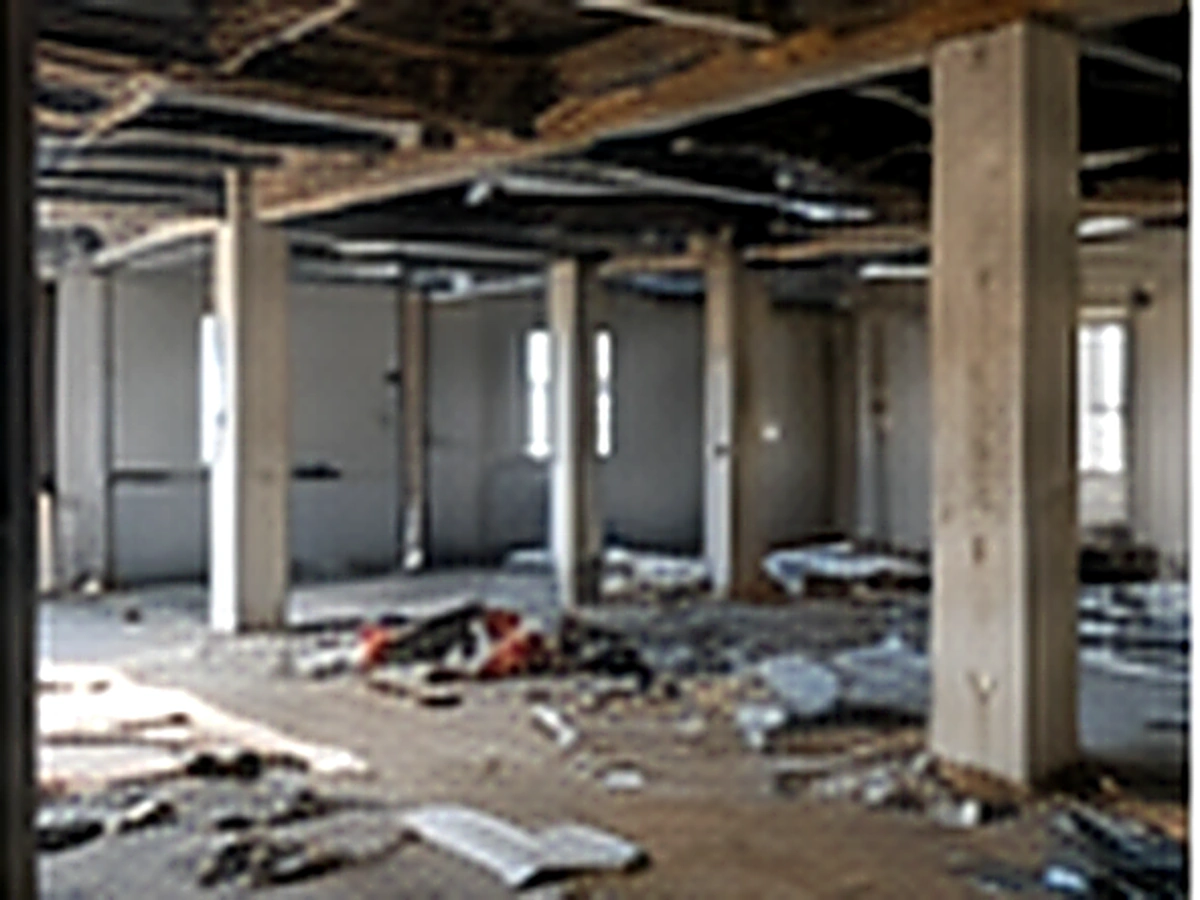
STRIPPED-OUT SPACE REQUIRING REINSTATEMENT
The premises contained redundant tenant installations and damaged or incomplete surfaces. Before the landlord-standard finish could be reinstated, the unwanted partitions, ceiling elements and flooring first had to be removed.
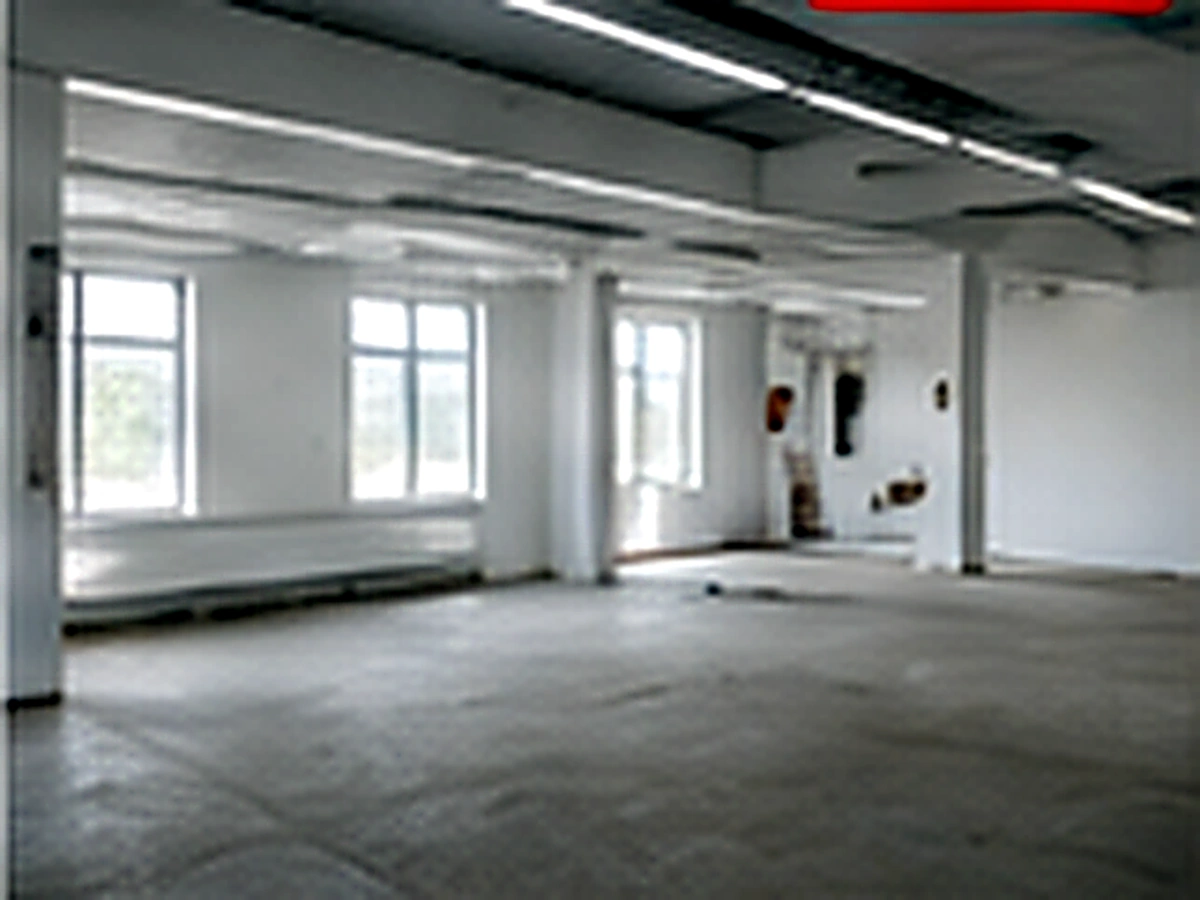
CLEAN, NEUTRAL AND READY FOR HANDOVER
Once the strip-out was complete, damaged areas were repaired, new ceilings were installed and the premises were repainted. A final clean completed the make-good process and returned the space to the required neutral landlord condition.
FROM TENANT INSTALLATIONS TO A NEUTRAL SPACE
Existing internal partitions left by the outgoing tenant were removed as part of the strip-out so that the space could be returned to a more neutral configuration.
Existing ceiling elements forming part of the tenant installation were removed where required before reinstatement work began.
Existing flooring was removed as part of the make-good works, exposing areas that then required repair and preparation.
Surfaces damaged or affected by the previous installation and strip-out process were repaired before the final finishes were applied.
New ceiling work formed part of the reinstatement scope, replacing affected areas and helping return the premises to the required standard.
The premises were repainted throughout and the completed areas received a final clean before project close-out and handover.
RETURNED TO LANDLORD STANDARD IN 10 DAYS
The redundant tenant installations were removed and the affected office/warehouse areas repaired, reinstated, repainted and cleaned.
WHAT THE MAKE-GOOD WORK ACHIEVED
The main objective was to reverse the outgoing tenant's fit-out sufficiently to create a clean, neutral premises for the landlord.
The work therefore went beyond demolition. Strip-out exposed surfaces that needed repair; ceiling areas required reinstatement; the premises needed repainting; and the completed space had to be cleaned before handover.
By treating those elements as one coordinated project, the landlord was left with a space that could move on from the previous tenant's occupation rather than a partially demolished shell requiring several additional contractors.
WHAT PROPERTY TEAMS NEED TO ESTABLISH FIRST
WHAT MUST ACTUALLY BE REMOVED?
Start with the lease, landlord handover requirement and an inspection of the existing fit-out. Not every installation necessarily needs removal; the required end condition should drive the scope.
WHAT DAMAGE WILL THE STRIP-OUT EXPOSE?
Removing partitions, flooring, cabinetry or services can expose wall, ceiling and floor defects. Those make-good items need to be allowed for rather than treating demolition as the finished job.
WHAT IS THE REQUIRED HANDOVER STANDARD?
Whiteboxing can mean different things on different properties. The landlord, lease or project brief should establish the expected condition before pricing and work begin.
HOW MUCH WASTE WILL BE GENERATED?
Strip-outs can generate substantial ceiling, partition, flooring and general construction waste. Access, removal and disposal should form part of the project planning.
WHICH TRADES WILL BE NEEDED?
Depending on the previous fit-out, a make-good scope can involve demolition, ceilings, drywall, flooring, painting, electrical work, plumbing, carpentry and cleaning.
WHAT SHOULD BE AGREED BEFORE MOBILISATION?
The strip-out scope, retained items, required finishes, disposal, access, programme, exclusions and final handover condition should be established before the work starts.
FROM TENANT EXIT TO LANDLORD HANDOVER
Review the existing fit-out and required handover condition.
Establish what must be removed, retained, repaired or reinstated.
Remove the agreed tenant installations and affected finishes.
Repair, reinstate, repaint and complete the finishing work.
Clean, review and close out the agreed project scope.
WHAT AFFECTS WHITEBOXING COST?
- size and condition of the premises;
- extent of the existing tenant installation;
- partition, ceiling and flooring removal;
- wall and floor repair requirements;
- electrical, plumbing or mechanical alterations;
- waste removal and site access;
- required landlord finish;
- programme and handover deadline.
WHAT TO SEND US
- site address;
- photographs of the existing premises;
- lease or landlord make-good requirements where available;
- plans or fit-out drawings where available;
- items that must remain;
- required handover condition;
- vacate and handover dates.
NEED TO RETURN A COMMERCIAL SPACE TO LANDLORD STANDARD?
Send the site address, photographs, make-good requirement and handover date. We will assess the appropriate next step.